
Your website gets visits. People view a service page, spend a minute or two browsing, then leave without calling or sending an enquiry. If you want to know how to get more leads from website traffic, start with the gap between a visitor’s question and the next step you ask them to take.
A lead-generation site must help the right visitor answer four questions fast: Am I in the right place? Can this business solve my problem? Can I trust them? What should I do next? Fix those answers before chasing another lift in traffic.
Traffic and leads measure different jobs
Traffic tells you how many visits reached the site. Leads tell you how many visitors took a useful action, such as calling, submitting a form, starting a chat or booking a consultation. Conversion rate connects the two: leads divided by visits, multiplied by 100.
For example, 2,000 visits and 20 enquiries produce a 1% enquiry conversion rate. If the site reaches 2% with the same traffic, it produces 40 enquiries. That simple calculation explains why clear marketing reporting should track outcomes as well as sessions and clicks.
| Metric | What it tells you | Useful check |
|---|---|---|
| Qualified visits | Whether your channels attract likely buyers | Search terms, location and landing page |
| Enquiry conversion rate | How often visitors contact you | Forms, calls, chats and bookings divided by visits |
| Lead quality | Whether enquiries fit your service | Service fit, location and readiness |
| Lead-to-customer rate | How sales follow-up performs | Customers divided by qualified leads |
Look at landing pages separately. A strong blog post can bring research traffic that rarely enquires, while a focused service page may attract fewer visits and far more leads. Google Analytics provides a landing page report that helps you compare entry pages rather than judging the site as one number.
How to get more leads from website traffic you already have
Start by removing uncertainty and effort from the pages people already visit. Review your highest-traffic service pages on a phone. Check the opening message, proof, contact paths and form. A polished redesign can wait if one broken button or vague headline is blocking enquiries now.
Find the friction points that lose buyers
A visitor often arrives from Google with a specific need. They may want a local provider, a quick answer or confidence that you handle their type of project. A homepage headline such as “Solutions for your success” answers none of those questions.
Write the first screen around the customer’s situation. Name the service, the customer and the service area. Follow it with one clear action. If your website is not converting, check for these common leaks:
- The headline describes the business but not the customer’s outcome.
- Navigation gives equal weight to ten different destinations.
- The main call to action appears only at the bottom of a long page.
- Service details sit behind vague labels or large blocks of copy.
- Mobile visitors must pinch, zoom or hunt for the phone number.
- The page gives no reason to act now or expect a reply.
A conversion-focused web development review can map these leaks across the full path from landing page to thank-you page. For examples of how a site can present a business clearly, the Circular Marketing portfolio is another useful reference.
Give visitors an offer worth responding to
A call to action works when the visitor knows what happens after the click. “Submit” describes a button. “Request a website review” describes the result. The second option reduces uncertainty and attracts a person who wants that outcome.
Match the offer to buying readiness. A visitor comparing providers may book a call. Someone diagnosing a problem may prefer a checklist, assessment or short review. A high-commitment request on every page can push early-stage prospects away.
Use one primary action per page
Choose a primary action based on the page intent, then repeat it where it helps: near the opening, after proof and at the end. Keep secondary actions quieter. A service page can lead with “Book a consultation” and offer a phone call as the alternative.
Good calls to action set expectations:
- Request a conversion review
- Book a 20-minute discovery call
- Send us your website
- Get a reply within one business day
The page copy must support the action. Strong website content creation answers objections in the order buyers feel them. It gives the button a reason to exist.
How to get more leads from website forms, phone and chat
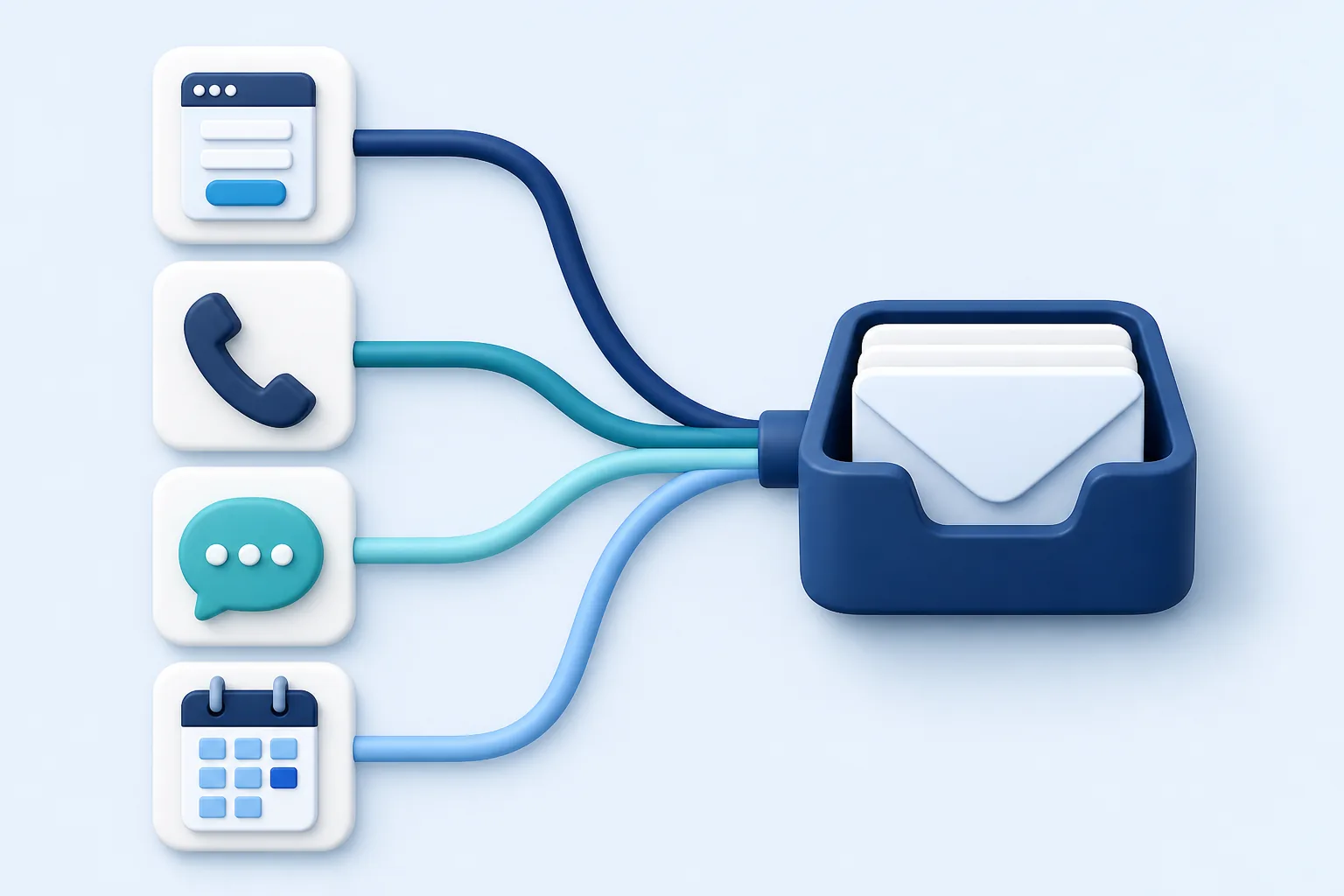
Offer contact methods that suit the moment. Phone works well for urgent or complex enquiries. A short form suits visitors outside business hours. Chat can help with quick questions, but it needs a real response plan. Each option should feed the same follow-up process.
Shorten the first form
Ask only for details needed to start the conversation. Name, contact method and a short description are often enough. Collecting a full project history, several dropdown choices and budget details before anyone has spoken creates avoidable resistance.
Label every field plainly. Show helpful error messages beside the problem field. Keep the form usable with one thumb, and test it on a real phone using mobile data. Google’s mobile-site guidance recommends easy-to-access forms with limited data entry and controls that fit the screen.
Make calls and chat trackable
Use click-to-call links on mobile and track phone clicks as events. Record form completions on the thank-you page. If chat is available, measure conversations that become qualified enquiries rather than counting every opened widget as a win.
Connect those events to channel and landing-page data. Circular Marketing’s article on measuring digital marketing ROI in Australia explains how to move beyond surface metrics.
Speed and trust shape the decision
Slow pages interrupt intent. Weak proof creates doubt after the page loads. Improve both by compressing images, removing unnecessary scripts, checking mobile layout and placing credible proof close to the claim it supports.
Business Victoria notes that a website acts as a salesperson and brand confidence check, and cites research that 57% of internet users will not recommend a business with a poorly designed site. Buyers judge the details: recent reviews, named people, real project examples and a professional contact path.
Use proof a visitor can verify
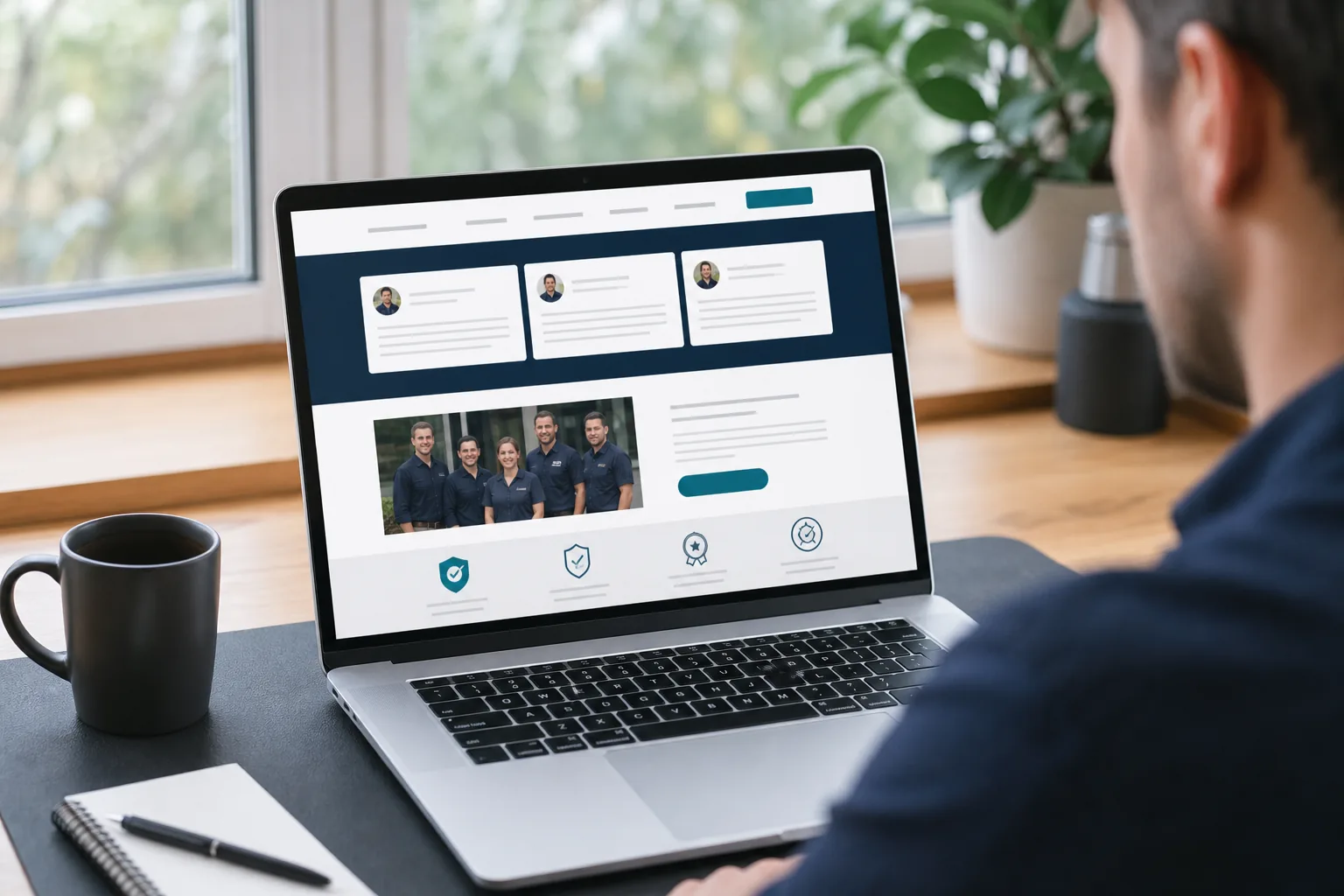
Place customer reviews beside the relevant service. Show work that resembles the buyer’s project. Link certifications to the issuing body where possible, and keep team details current. The About Circular Marketing page shows how named expertise can support trust across the site.
A lead generation website in Australia should also state its service areas, business contact details and response expectations. Local buyers want to know that a real team can help them. Generic stock images and anonymous claims rarely settle that concern.
Test conversion changes without damaging what works
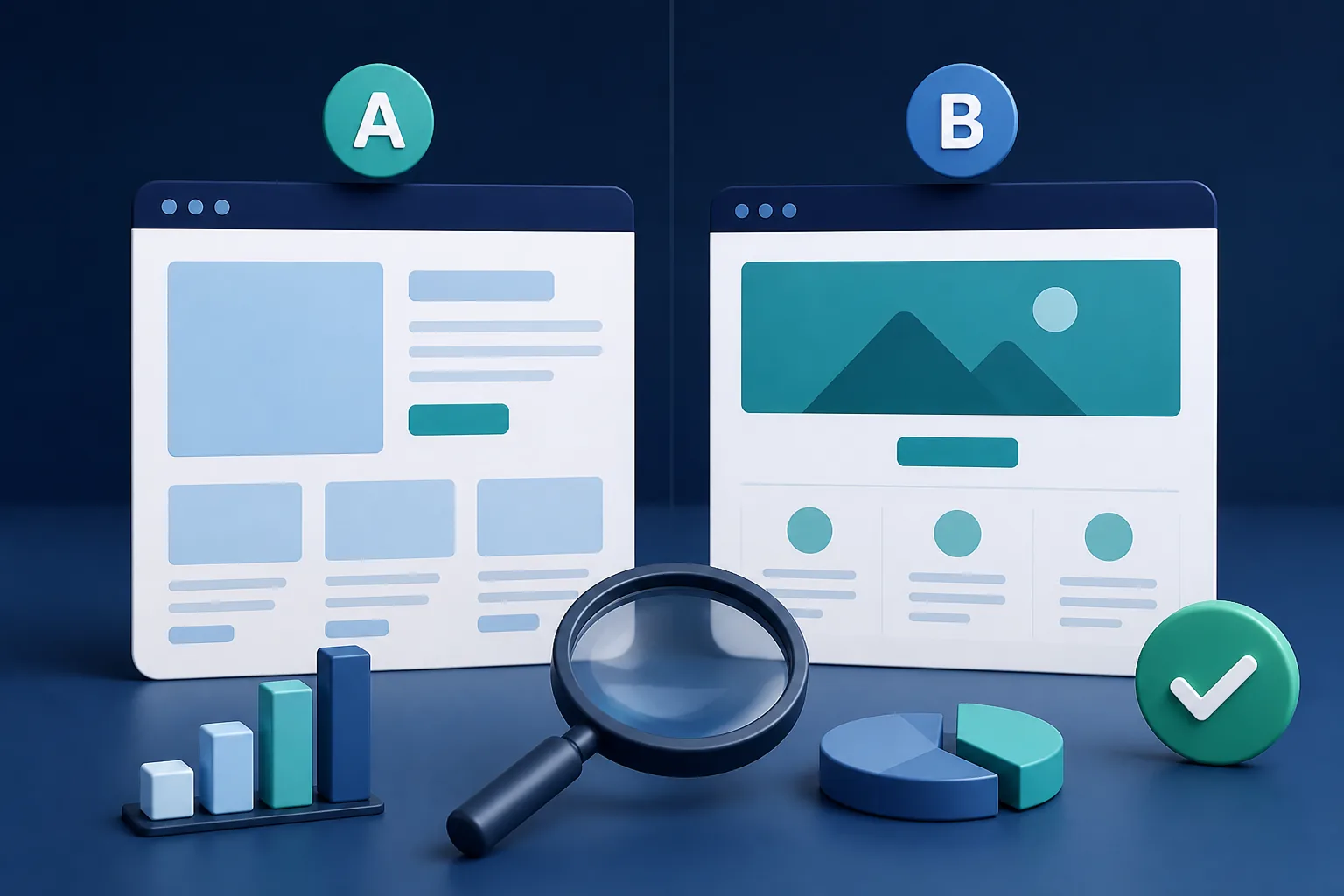
Change one meaningful element at a time, define the success metric before launch and keep a record of dates. That lets you connect a result to the change. Small businesses with limited traffic should run tests longer and avoid declaring a winner after a handful of enquiries.
A safe CRO plan for a small business
- Confirm tracking. Test forms, phone clicks, bookings and thank-you pages yourself.
- Choose one high-intent page. Start where qualified visitors already land.
- Record the baseline. Note visits, enquiries and lead quality for a useful period.
- Change one large variable. Test the offer, opening message, proof or form length before button colours.
- Watch lead quality. More forms mean little if the enquiries do not fit.
- Keep or reverse the change. Document the result in your reporting system.
This is practical CRO for a small business: careful measurement, useful changes and fewer guesses. A digital marketing strategy can also connect conversion work with SEO, paid campaigns and sales follow-up.
Changes that can increase website conversions first
Most SMBs should start with message clarity, the main offer, mobile contact paths, form completion and proof. These areas sit close to the buying decision and can reveal problems quickly. Decorative changes belong later unless the visual design is damaging trust or usability.
- Say who you help and what outcome you provide in the first screen.
- Keep one primary call to action on each service page.
- Reduce the form to fields needed for the first reply.
- Make the phone number tappable and easy to find.
- Add recent reviews and relevant project examples.
- Track enquiries by landing page and source.
Final thoughts
More traffic cannot repair a confusing path to enquiry. If your site attracts visitors but produces few conversations, request a free website conversion review. Circular Marketing can identify the pages, messages and contact steps most likely to be holding leads back.
Frequently asked questions
Why is my website getting traffic but no leads?
Your visitors may have low buying intent, or the site may create friction through vague copy, weak proof, slow pages, hidden contact details or a long form. Compare landing pages, search terms and completed enquiries to find where likely buyers drop out.
What is a website lead?
A website lead is a visitor who shares enough information for your business to follow up. Common lead actions include a form submission, phone call, booked consultation or qualified chat conversation.
How can I increase website conversions without more traffic?
Improve the pages that already receive qualified visits. Clarify the opening message, present one relevant offer, shorten the form, add visible proof and make phone contact easy on mobile. Track the change against the previous conversion rate and lead quality.
How many fields should a lead form have?
Use the fewest fields needed to start a useful conversation. Many service businesses can begin with a name, phone or email, and a short message. Add qualifying questions only when they help route the enquiry or reduce poor-fit leads.
Should my website use phone, forms or live chat?
Use the contact methods your customers prefer and your team can answer well. Phone suits urgent enquiries, forms cover after-hours visitors, and chat helps with short questions. Track each method as a separate conversion event.
How long should I run an A/B test?
Run the test until it has enough conversions to support a decision and covers normal changes in weekly demand. Low-traffic small business sites may need several weeks. Avoid stopping after an early spike from a small number of visitors.
What does a free conversion review include?
A useful review checks high-traffic landing pages, mobile usability, page speed, offers, calls to action, forms, phone links, trust signals and conversion tracking. It should finish with a prioritised list of changes tied to measurable outcomes.